
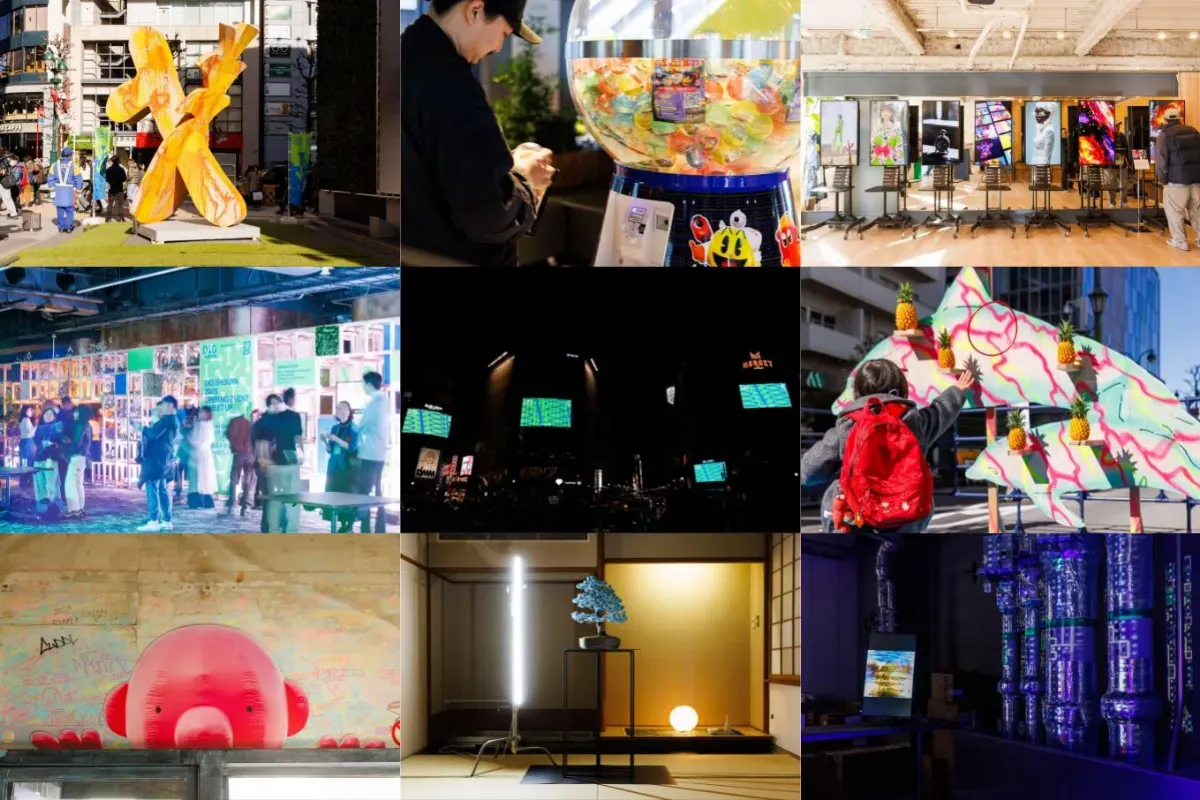
The team mainly made up of members from Monosus is in charge of producing the DIG SHIBUYA website and all publications. After taking a breather after the more powerful DIG SHIBUYA 2025, we gathered the creative team together to talk about their thoughts on DIG SHIBUYA.
The person who spoke
Kazuha Okuda
Producer for external partners. In charge of planning and direction at DIG SHIBUYA.
Taeko Isu <br> A graphic designer and external partner, she is in charge of creative direction for DIG SHIBUYA. On the day of the interview, she spoke to us wearing a dress in DIG colors.
Instagram
Yosuke Hayashi
He is a member of a cross-domain design team that provides a wide range of creative services, including website and application development, VI/CI production, and support for exhibition and event production. While in charge of creative production, he also participates as an artist.
Yurika Machiyama
Director at Creative Services, in charge of production direction.
Enjoy art and tech in Shibuya in the middle of winter at DIG SHIBUYA

-This year marks the second time DIG SHIBUYA (hereinafter referred to as DIG) is being held. Please tell us again about the background of the event.
Okuda: It all started when the people of Shibuya Ward were thinking about how they could create new value for the city while taking advantage of the city's characteristics as a cultural hub. Shibuya is home to many live music venues, clubs, movie theaters, art museums, theaters, and public cultural facilities. The goal is to open these spaces to artists from Japan and abroad to create works, and to use events as an opportunity to attract new industries such as startups.
The COVID-19 pandemic has caused Shibuya's signature spaces, like live music venues and clubs, to lose their vitality, so I think one of the reasons for this was to try to create an initiative to bring people back to those places.
--What kind of people are involved with DIG SHIBUYA?
Okuda: The SHIBUYA CREATIVE TECH Executive Committee includes people from the City Planning Council and the Tourism Association, as well as owners of shopping districts and local facilities, and the entire city is thinking about what kind of content should be created to make Shibuya a more attractive place. Shibuya is home to over 150 cultural and entertainment facilities, so I think that placing lots of venues within the city and encouraging people to move around is something that can only be done in a city like Shibuya.
Isuato and DIG are held in February when not many people come, so that people can enjoy Tokyo even in the middle of winter. It's an event with many aims.

Adults who grew up in Shibuya get serious
--By the way, what kind of town is Shibuya to you?
Hayashi: When I was younger, I worked part-time at Loft in Shibuya, and until recently I was a resident of Shibuya Ward. I've been taken care of by the city, and it's one of my favorites. That's why I was happy to be involved in a project to liven up the city.
I was a resident of Shibuya Ward for a long time, both when I was living alone and after I got married, and I mostly lived in Shibuya for work and leisure. I've been going there for a long time, not just in my teens or twenties, so I think I've seen Shibuya change over time.
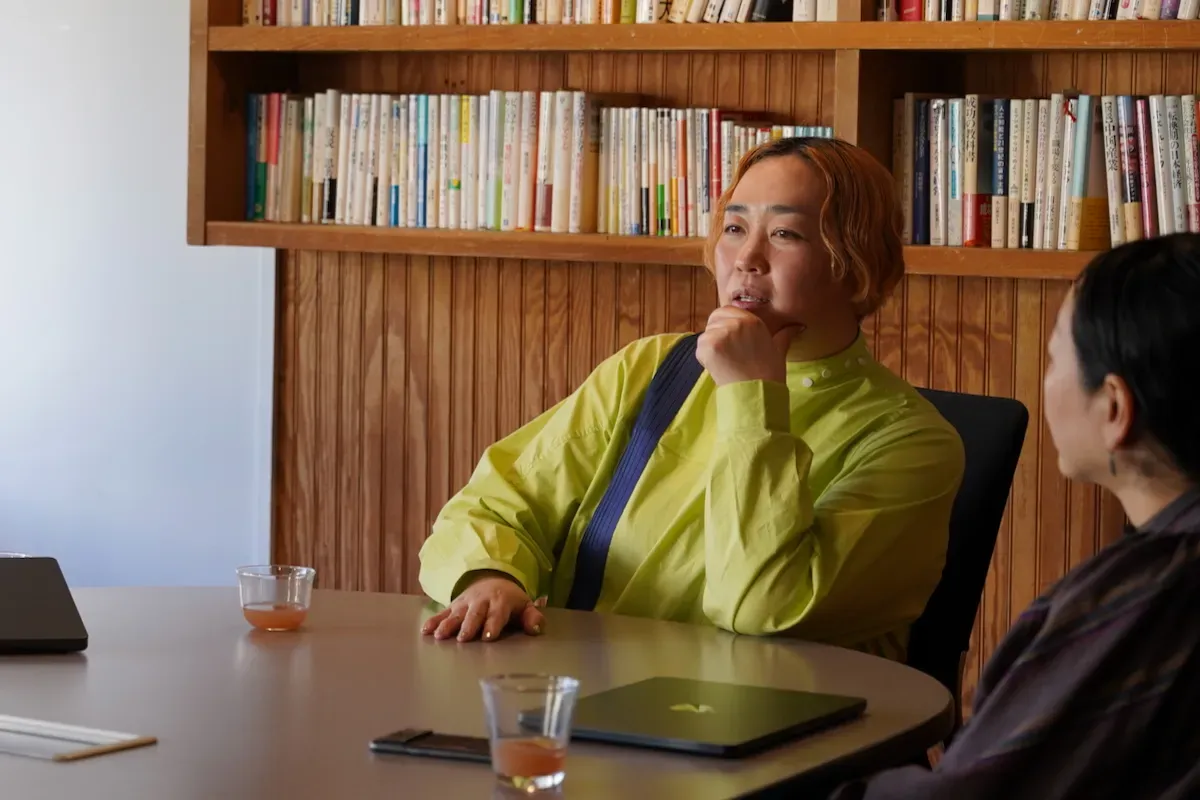
Okuda: I live and work in Shibuya, so it's a city I have a huge attachment to. When I was a student, I would go to clubs in Shibuya and have tea every day at a cafe on the way to Koen-dori, so I feel like Shibuya helped me grow culturally. However, I think many people are concerned about the trend toward gentrification, where Shibuya, which once had its own unique and rich culture, is gradually becoming more homogenous. We share the desire of everyone involved with DIG SHIBUYA to properly bring out Shibuya's unique character and create value that is unique to this city.
It's true that Shibuya is seeing a lot of inbound tourists, and the items sold in department stores are gradually becoming more high-end brands, making it seem like the city has become inaccessible to young people. But there are also adults who think that this is not enough, and I think there will be a backlash. DIG would like to have a positive influence on this trend.
--Each member has their own feelings about Shibuya and is involved with DIG.
I think my job was to take on the ideas of the Hayashi Executive Committee members, transform them into expressions that could be widely communicated, and give them form. We did almost everything we could, from the logo, website, transit advertising, digital signage, and handouts. For 2025, I was allowed to create the message part first, and I asked Kataoka Yoshiko to create the copy: "Shibuya as a whole, an experiment in ART x TECH."

Team unity creates further motivation
--Please tell us the role of each member of the creative team.
HayashiIn 2024, I was in charge of coding the website, but in 2025, I mainly created the images for the digital signage. We created some of the images ourselves, and I was also in charge of selecting the artists and videographers to commission, sharing concepts with the artists, and arranging the delivery format.
I was the art director for the creative team. I also supported raising the level of creativity for DIG as a whole by talking with the executive committee members. Input is also important, so I went to various art fairs and introduced my artist friends. Because I have a way of working that will lead to the future, I have been able to participate in the project in a way that goes beyond the role of art director.
Machiyama: I joined midway through this year and was in charge of directing the production.
--Earlier you said that you "took the thoughts of the executive committee members and put them into shape," but did you also incorporate your own feelings for Shibuya into the production at that time?
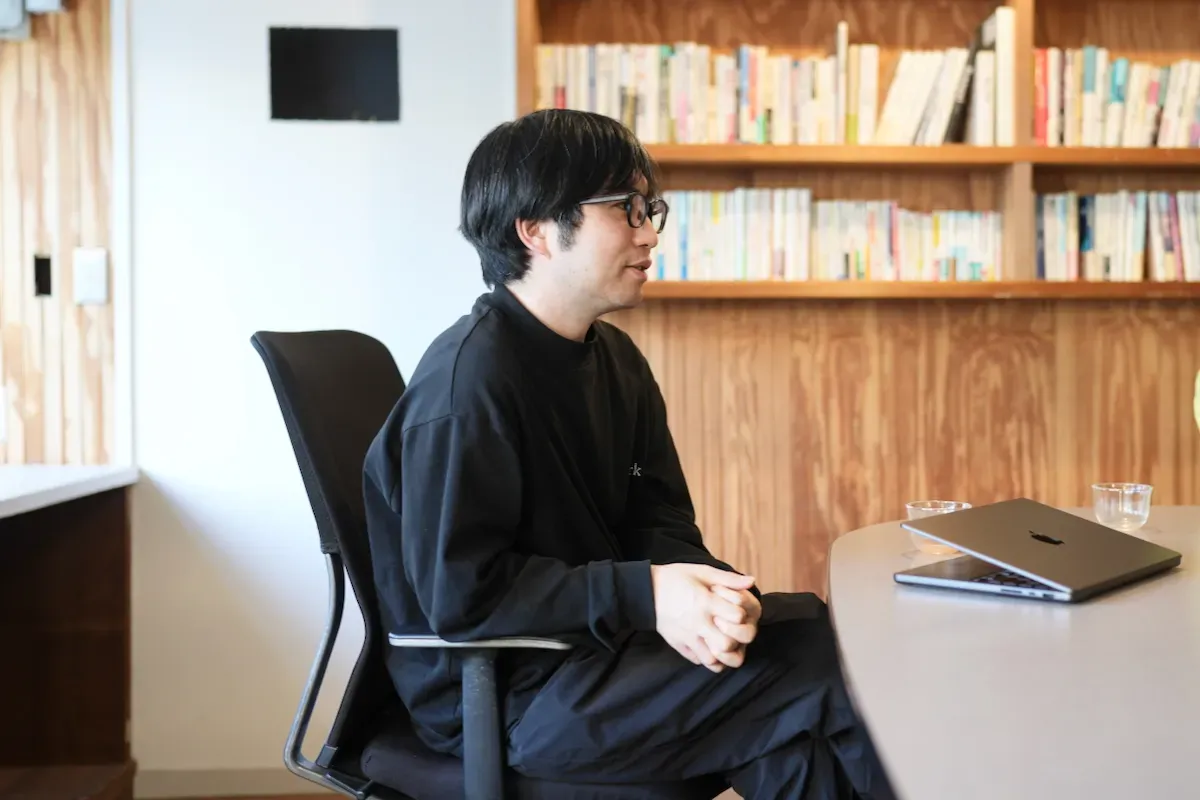
Hayashi : That's right. I think we all had the desire to make Shibuya a fun and cool place. For example, we were conscious of bringing together the collective strength of Shibuya, which we are connected to, to liven up commercial facilities like Parco, which is a symbol of Shibuya, and Civic Creative Base Tokyo (CCBT), for which Isu and I worked on the VI and branding.
I think that Yosuke Okuda, a member of Monosus, and Isu-san played a role similar to that of a creative director when it came to people outside the company. Yosuke, Takeda-san, who was in charge of design, programmer Inafuku-san, and Isu-san are also artists. They also made it a point to input their perspectives into the team, such as "This will be a cool event. It will make artists want to participate." At the same time, I think that perspective was also meaningful input for Shibuya Ward.

In the first year of ISUZU , it was very stimulating to think about how to create the image of the upcoming event. How do we differentiate it from the tech events that are popular now, what can only be done in Shibuya, and how can we express the meaning of holding it in Shibuya? We asked the Parco and CCBT teams for their opinions from various angles, and we also had people from Shibuya Ward take a look.
"Tech" might sound cold, but the executive committee includes many different people, and the context of urban development is also involved, so communication is key to this project. We want to show that everyone cares about Shibuya and is having careful conversations.
Expressing a tactile digital experience
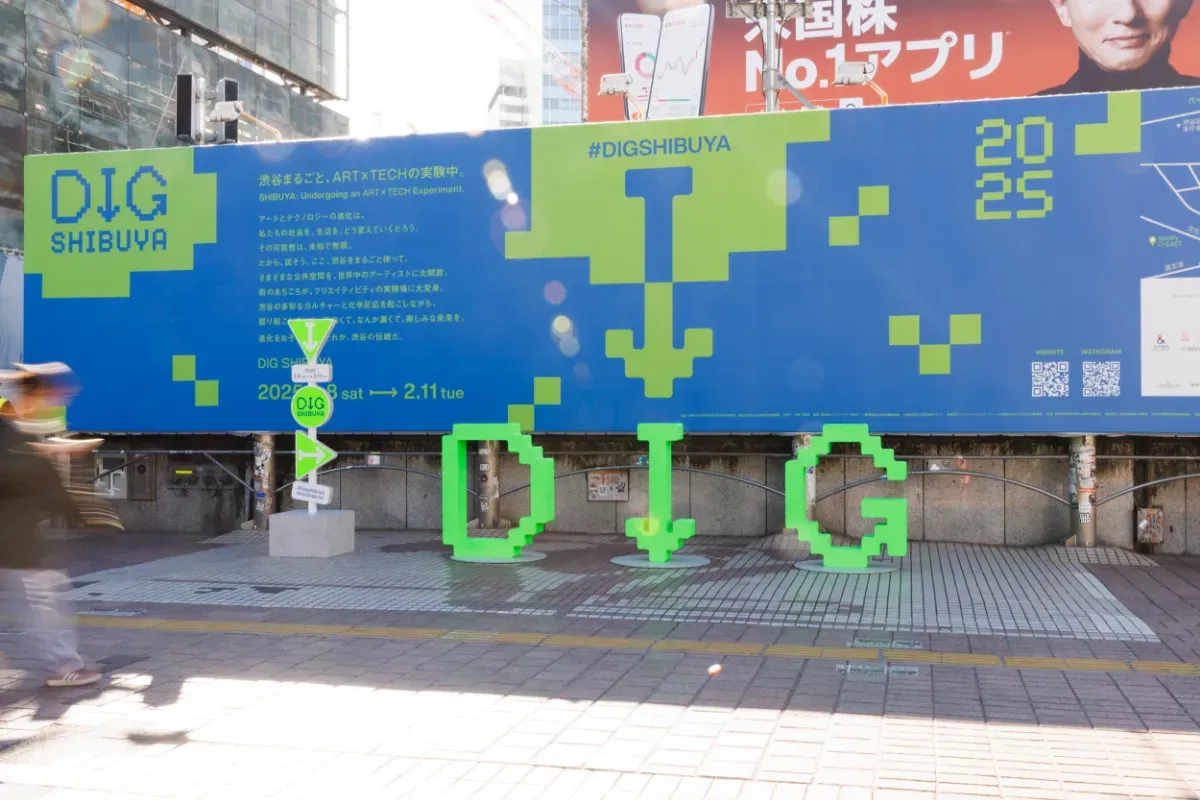
--The DIG SHIBUYA logo has a nostalgic, digital, techy feel to it, yet is very charming. It's very pleasant to look at.
There are a lot of advertisements in Shibuya , so we thought that if we reduced the elements as much as possible and simplified it, it would actually stand out more and become a symbol in the city.
HayashiWe want people to sense that we are using digital technology, but it's not all cutting-edge, advanced technology; we are also searching for the perfect balance.
Okuda: We had a lot of discussions about the range of possibilities, such as how digital it should look and how it should convey an image of futuristic technology, and we came up with a variety of variations.
Hayashi: It has a pixel-like appearance, but the corners are slightly rounded and it has a slightly blurred feel. I adjusted the texture and nuance to make it not too sharp.
Isu: "We could use an arrow," "DIG means 'dig,' so it would be good if the arrow was a shovel," and so on, and we came up with a lot of different ideas before settling on the current logo.
Hayashi: This time, we challenged ourselves to have various artists use the logo to create various versions, and the first person to do so was the video artist Baku Hashimoto. Hashimoto creates videos using a computer simulation algorithm called Conway's Game of Life. Koji Miura of ⬜︎⬜︎⬜︎ (Kuchiroro), who created the music, also produced a quality that exceeded our expectations within the tight production timeframe, which really got us excited.
The two also participated in "Shibuya Crossing Night Art," a late-night visual art screening using four large screens at Shibuya Scramble Crossing. Stretching a 10-second video and music into a five-minute piece is an unconventional idea, but they managed to create a piece that you can't stop watching, thanks to the program's generation and ideas.
Shibuya Crossing Night Art
Okuda: This time, Yosuke Hayashi, Takeda, Inafuku, and Isu all participated in Shibuya Crossing Night Art, and their videos were screened at the scramble intersection.
I know I sound presumptuous, but it was a bit hard to believe. I was glad I'd come from the countryside (laughs).
For ISU Shibuya Crossing Night Art, we also had Asako Fujikura, who exhibited at the Japan Pavilion at the 19th Venice Biennale International Architecture Exhibition as part of a unit with architect Takahiro Omura, and whose work was also featured in the Mori Art Museum's exhibition "Machine Love: Video Games, AI and Contemporary Art," create a work. Thanks to copywriting by Yoshiko Kataoka, as well as the Shibuya Ward brand and the organizing committee, who gave us so much freedom, this has become a dream project where we can collaborate with artists we admire and creators we love.
Towards DIG SHIBUYA accelerating even further
- DIG will be in its third year, but how long have you been involved from preparation to the end of the event?
Okuda: The actual event is in February, but we start planning the project from the summer of the previous year, as we also announce the public call for participating artists. It usually takes about six months, from summer to the end of winter.
Hayashi : Shibuya Ward also wants to try out all sorts of things throughout the city. What kind of changes would occur if we had a parade on Koen-dori, artists exhibited their works, and musicians performed live? Things like that. It's really interesting because there are new initiatives every time, and I think it would be even more interesting if more people in the city could get involved. Because you'd get to interact with the people who live and work here.
--The area has expanded in the second year compared to the first, and the number of participating artists and people involved has also increased.
Okuda: Not only are there more artists, but also more partner companies, sponsors, and applications for the open call. The amount of content has nearly doubled since the first year. It looks like 2026 will be even bigger.
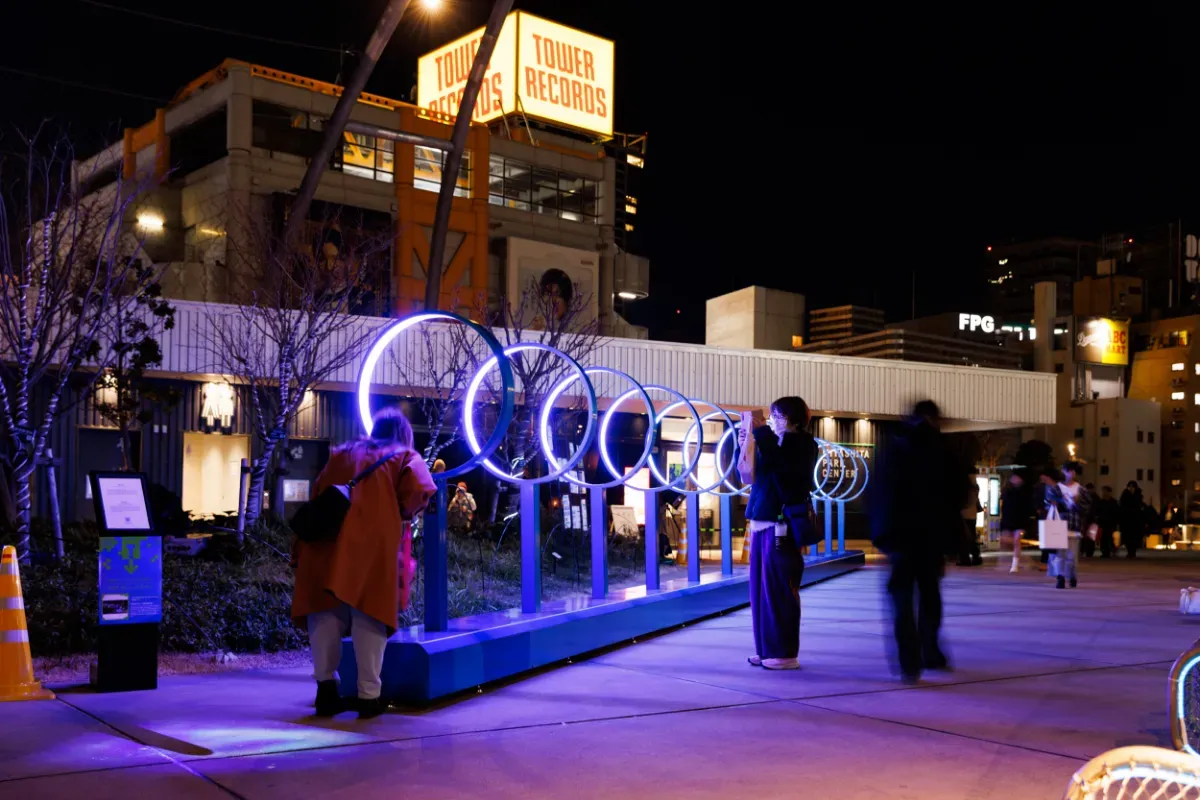
Seo, a Korean artist, also came to Japan for DIG and recorded video footage. For us, in our second year we were able to accomplish things that we couldn't do last year due to time and budget constraints, such as placing experimental objects in front of stations, creating kiosks and information booths, and producing three-dimensional objects. The event has grown rapidly and its volume has become incredibly large. It's been a challenging but fun project with lots to see.
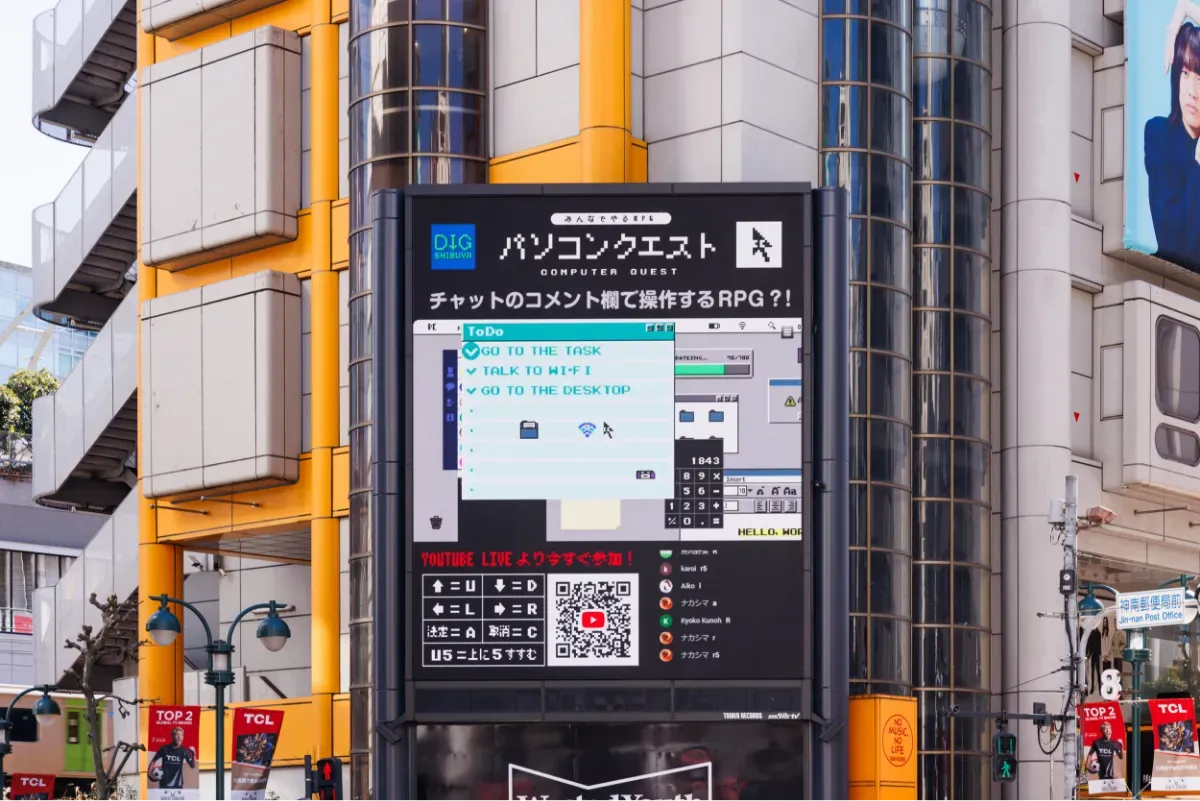
"PC Quest" is a participatory game project using large monitors, organized by the Shibuya Pixel Art Executive Committee.
-Are there more people involved with Monosus members?
Hayashi: In our first year, when we were running around in a panic, Matsunaga-san (Web Operations Director/Coder) would call out to us and ask, "Are you OK?" He was a tremendous help. Matsunaga-san is interested in a lot of different things, so it was great that he was able to enjoy the events and exhibitions. DIG's website is not only packed with information, but it's also available in Japanese and English. We have to collect information on artists and writers and make it consistent in granularity, and correct any mistakes. It's quite difficult to get a grasp of the overall picture, organize the information, and implement it at the right time. When we had to rely on a large number of people, we received help from many people within the company.
Okuda: With regards to the website, I think Takeda-san's contribution was huge, not only in the design but also in the complex task of organizing and putting together a huge amount of information. Despite the tight schedule, he calmly handled the information and produced a stunning website.
HayashiI think we wouldn't have been able to cope unless we had a highly efficient system and workflow.
Machiyama: This was my first time working on anything other than the web. I had been in charge of web direction for a large project for another project, so I thought it would be similar, but I couldn't get around to it at all. Everyone helped me out. I only joined this year, so I learned a lot about the background of DIG for the first time by listening to everyone's stories today.
DIG was a fairly new job for the members who had been with Monosus for a long time. Monosus had two axes: web production and food business, but since Yosuke and his team joined, they have been able to build a track record with work on well-known events and expand their scope, which I think is a big thing. Also, since we had never created a website linked to an active event, it was a good experience to be able to think about production from the user's perspective while touring venues. From next year, we would like to update our productions based on the user experience.
--Thank you very much. I'm looking forward to DIG SHIBUYA 2026.

SUGIMOTO Kyoko
Freelance writer. Since autumn 2016, she has been serializing ``Kamiyama no Musumetachi'' in Hinagata, in which she interviews women who have moved to Kamiyama.