
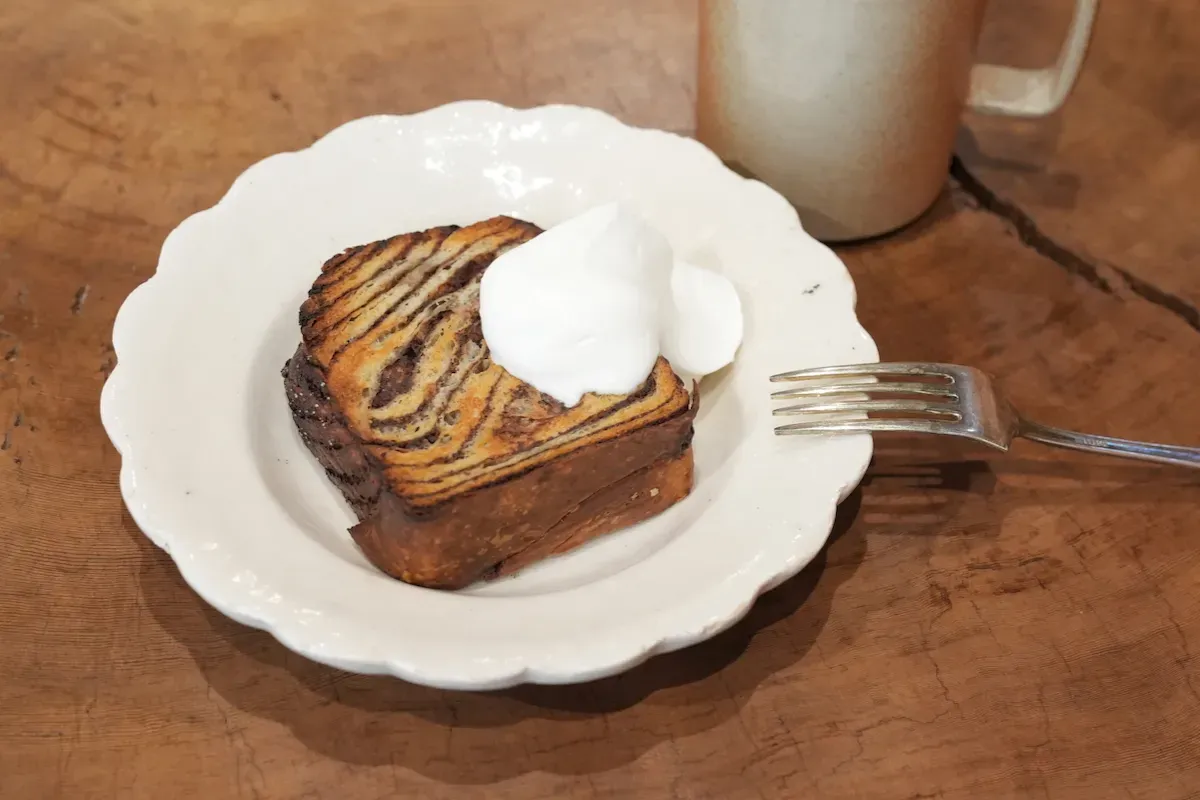
Making Babka, a New York classic, with sourdough
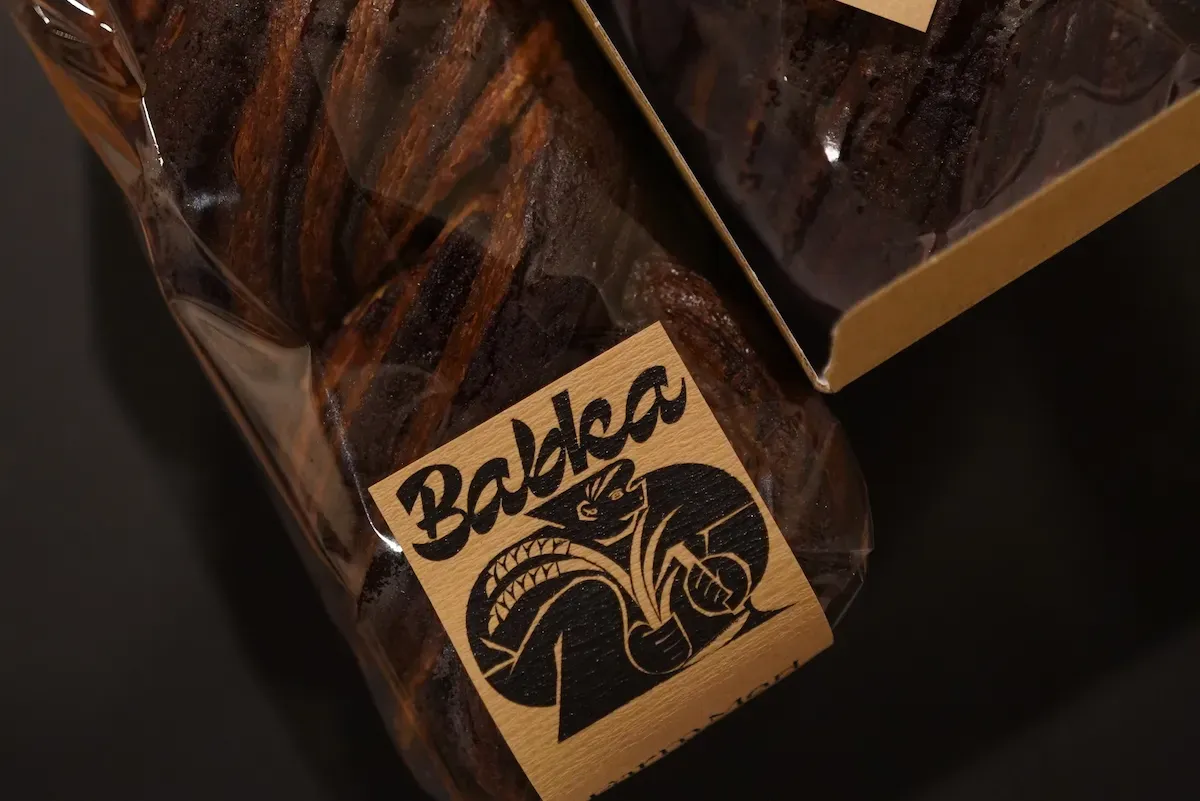
Have you heard of babka? It's a brioche pastry baked with chocolate and cinnamon. Originally an Easter treat from Eastern Europe, it made its way to New York and evolved into a style where the dough is braided and baked in a loaf shape. Since then, it has been loved as a staple bread pastry, but it gained renewed attention around 2010 and became a huge hit, partly due to the influence of social media. It's gradually becoming known in Japan as well.
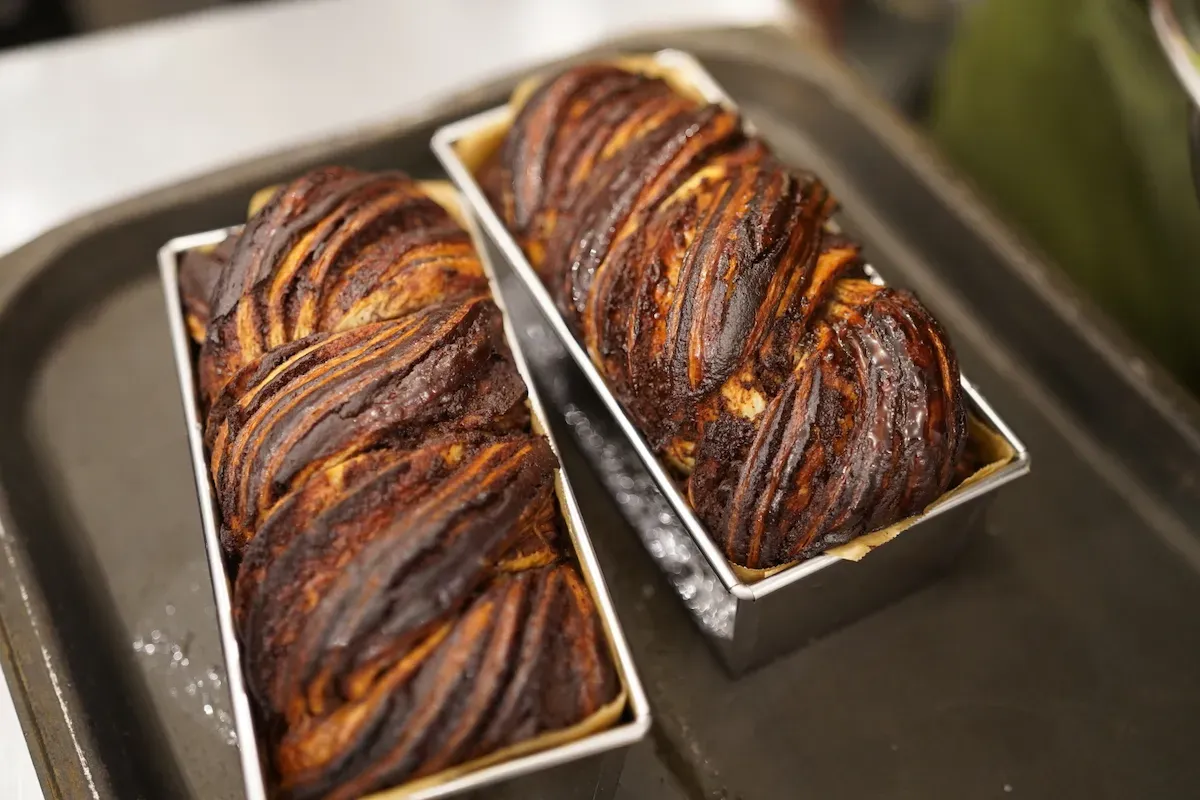
"Apparently, the name 'babka' comes from a Polish word meaning 'grandmother.' When a Polish customer came in the other day, they said, 'Babka brings back memories; my grandmother used to make it.' Apparently, in the past, it was made by repurposing leftover bread dough with leftover dried fruit and other ingredients."
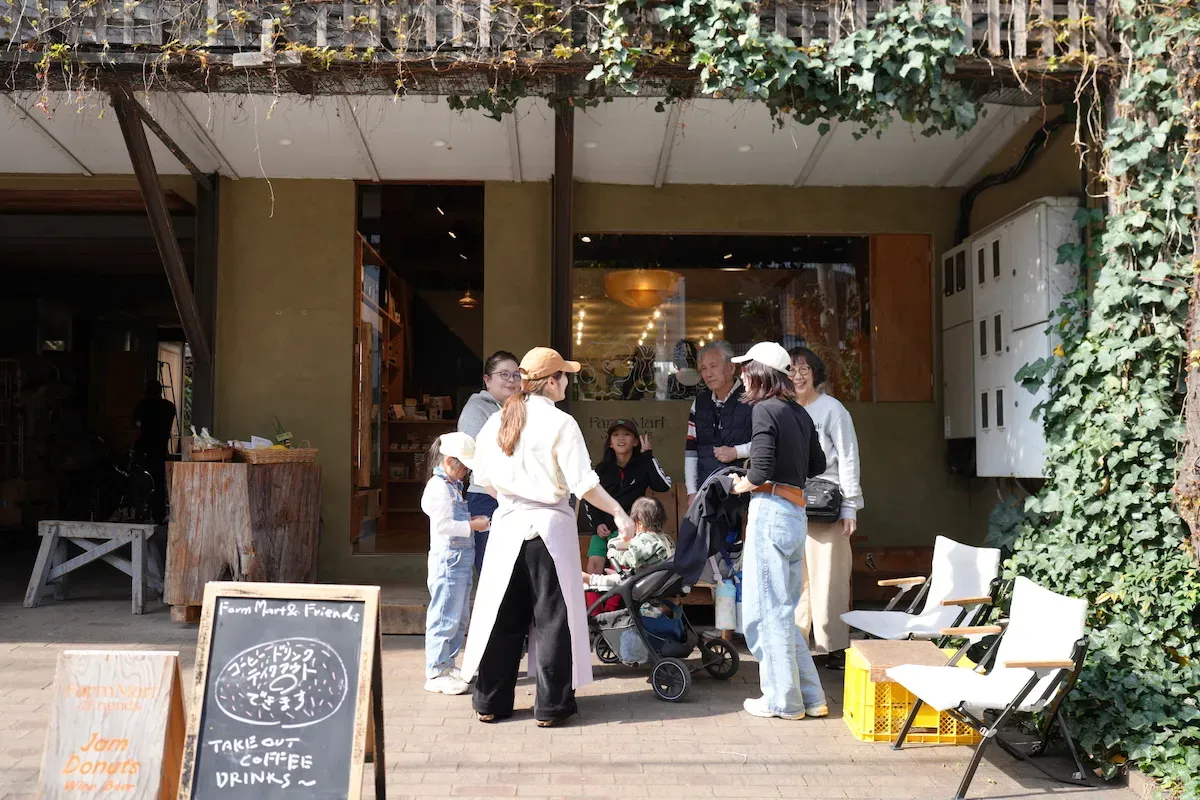
This is according to Yu Sagawa, the pastry chef in charge of babka at FarmMart & Friends . He has been working on developing babka since April 2025, shortly after joining Monosus.
"I had never eaten it before, but I became interested after hearing about it from a staff member who had returned from training in America. It has a big visual impact, so I wanted to try making it."
So, they started experimenting with the dough for their signature donuts, specifically the "super soft white bread" and "brioche" doughs. They explored various possibilities for the ingredients to incorporate, not just chocolate, but also red bean paste, jam, cheese, vegetables, and more.
"We made hundreds of prototypes, but nothing quite clicked. We could make something that tasted good, but it just wasn't satisfying enough to be a commercial product."
The turning point came during a training program I attended in San Francisco last August. Sourdough bread has long been a famous specialty in San Francisco. It's a type of bread made by fermenting a sourdough starter, characterized by the flavor of wheat and a subtle sourness. All you need to make a sourdough starter is flour and water. It ferments through the action of wild yeast in the environment, developing its unique sourness. The sourdough dough made with this starter really brings out the original flavor of the wheat.
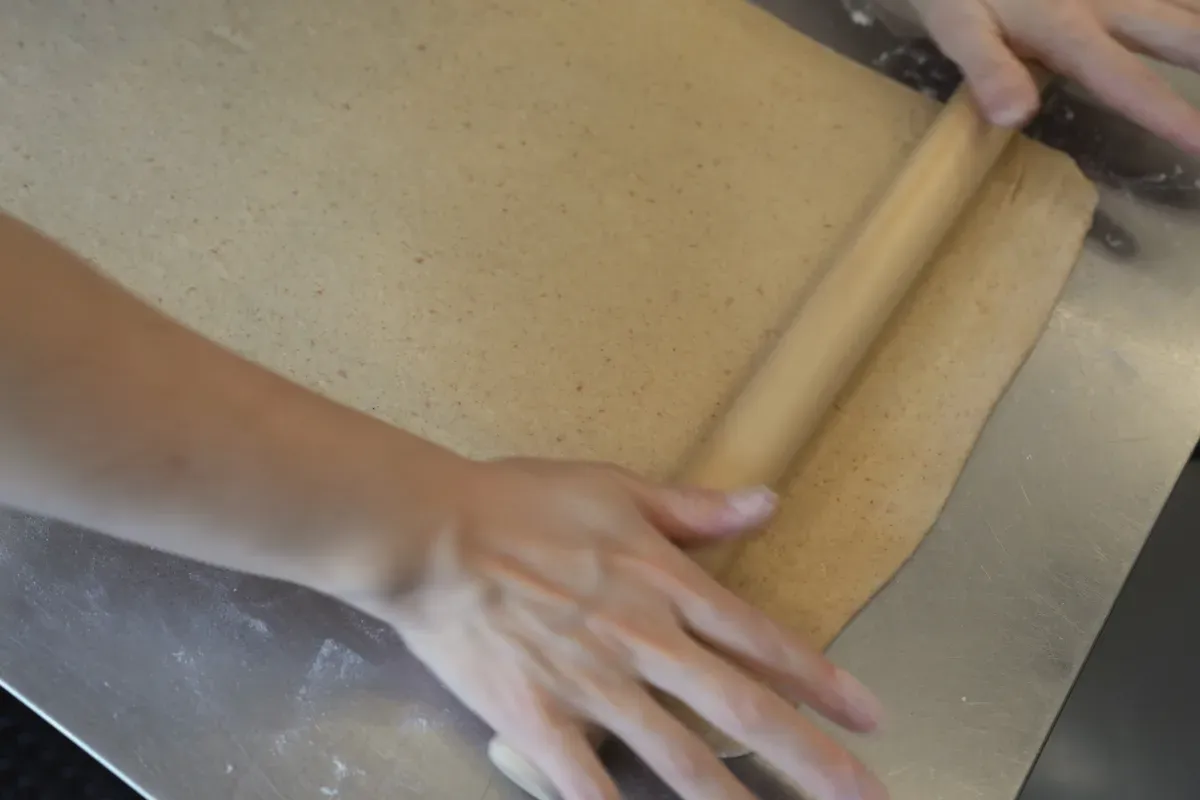
"Fermentation is influenced by bacteria floating in the air and those attached to the wheat itself, so the taste varies depending on the climate and soil. In Kamiyama, Tokushima, where FarmMart & Friends has strong ties, they cultivate local wheat by passing down the seeds, so we thought that making sourdough with it would better express the deliciousness of the wheat and create a taste that is uniquely ours."
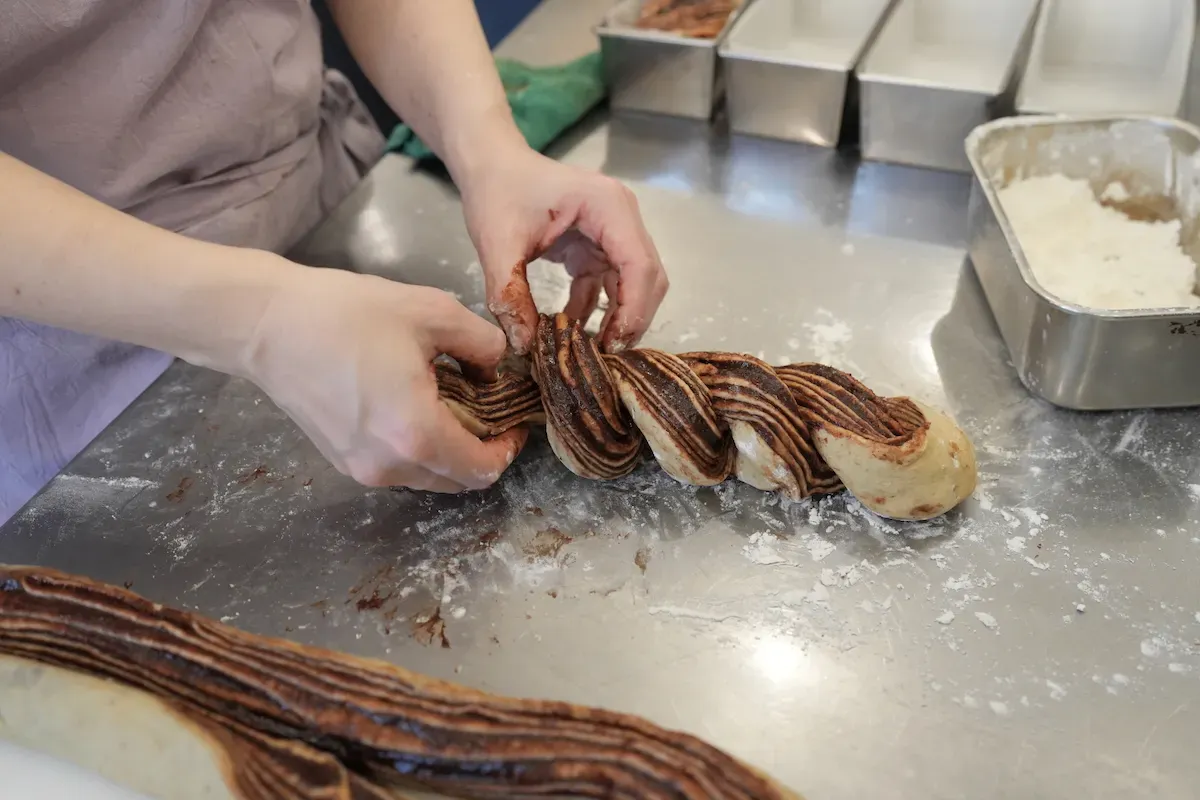
After returning to Japan, I revamped my donuts using sourdough and decided to make babka with the same dough. First, I made a sourdough starter using wheat flour from Kamiyama and Agri System in Hokkaido. The dough, which contains a lot of whole wheat flour, is brownish in color and has a strong flour flavor, so it tastes good even when eaten on its own. By rolling it out very thinly, spreading the filling on it, and layering it many times, I created a light and airy texture that crumbles easily.
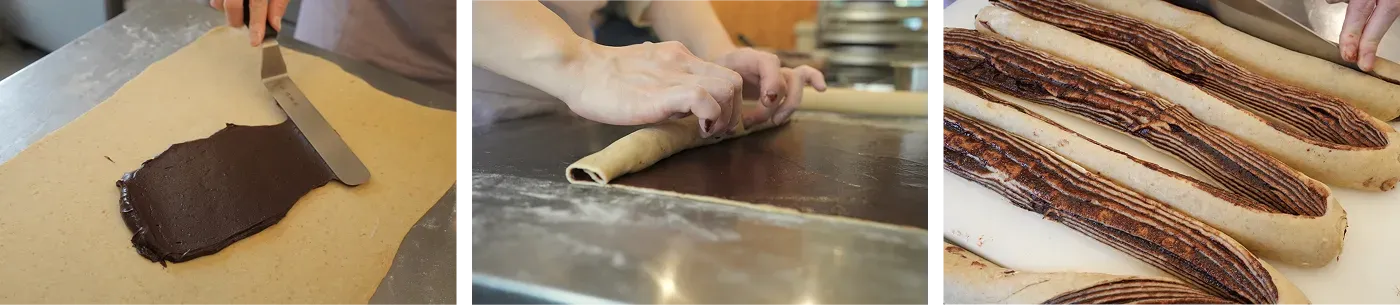
"It was incredibly difficult to arrive at this flavor. Babka has many elements, including the dough, the balance with butter, the chocolate filling, and the shaping, and even slight changes can drastically alter the final result. We went through countless trials to find the best thickness of the dough, the number of layers, and the filling."
The beautiful cross-section when cut is also remarkable. The chocolate filling has been carefully balanced in terms of sweetness.
"If it were as sweet as a babka from New York, it might be a little too much for Japanese people. On the other hand, if it's too mild, it won't be satisfying. We wanted many people to be able to enjoy it, so we paid close attention to the balance of sweetness."
By the time I finally created something that I could confidently say, "This is delicious!", eight months had passed since I started the prototyping process.
We want to convey the stories of producers through our sweets.
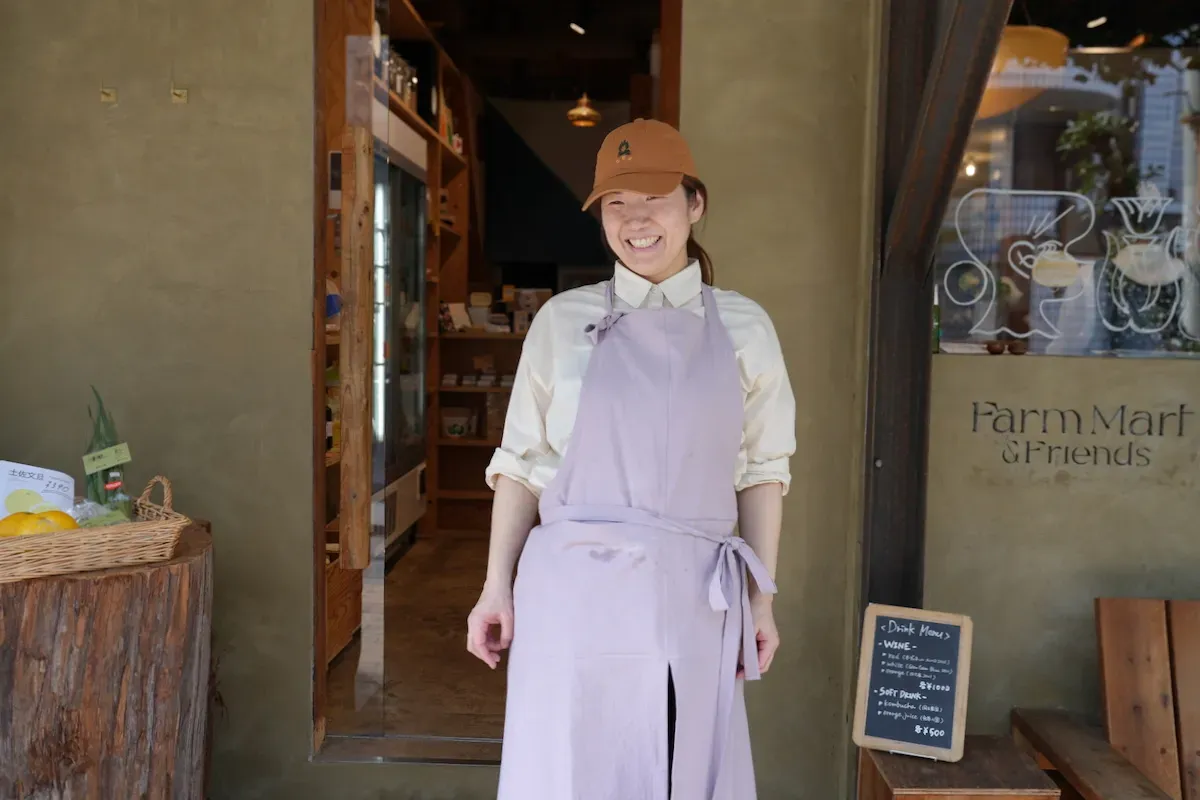
Sagawa joined Monosus in January 2025. Being from Tokushima, she had visited the Kamiyama Food Hub Project several times during her visits home. Her childhood dream of becoming a confectioner remained unwavering, and after dedicating herself to tennis and soccer during her student years, she went on to attend a confectionery school. The reason why she wanted to make sweets is connected to her childhood memories.
"When I was a child, my mother would make homemade cakes for my birthday parties, and I really enjoyed eating them with my friends. Thanks to those experiences, I came to believe that sweets are associated with happy times and can make people smile. For me, sweets are a way to express my desire to make people happy."
After graduation, I honed my skills at local cake shops, high-end restaurants, and famous patisseries.
"I believed that if I wanted to acquire skills, it couldn't just be fun. I wanted to learn in a challenging environment, but my current abilities weren't up to par. I went through a lot of job changes because of that internal conflict. After moving to Tokyo at the age of 20, I visited dozens of patisseries and applied to the one I thought was the most delicious. I didn't pass the interview, but I begged them, 'Please let me at least do some training!' In the end, I worked there for about four years. It was incredibly tough, but I was prepared for it, and I still respect the chef to this day. I also learned the fundamentals of being a working professional there."
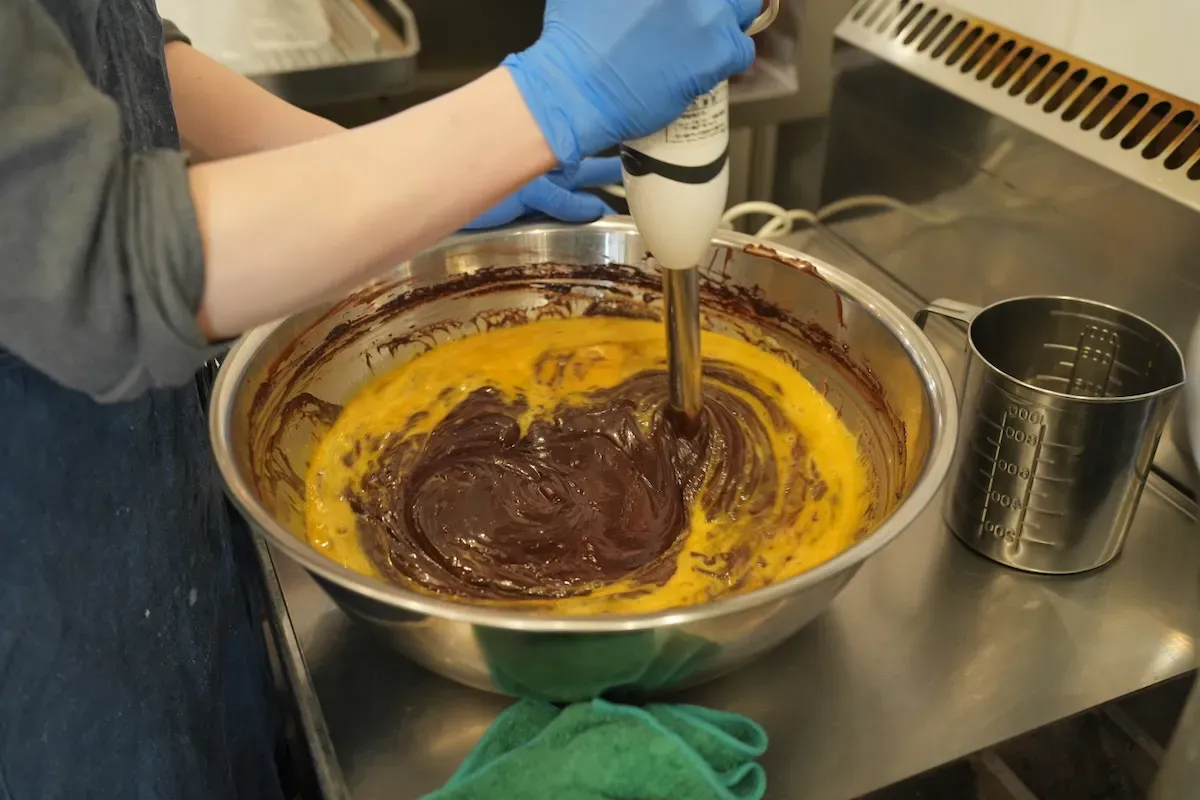
However, since she spent most of her time at that shop dealing with customer service, Sagawa wanted to further hone her pastry-making skills, so she moved to a long-established patisserie. After about three years of training, she also participated in competitions. While she was wondering whether to go abroad or make desserts at a restaurant, she heard from an acquaintance that the French restaurant L'Effervescence was looking for a pastry chef.
"I had never been to a high-end restaurant that had earned a Michelin star before. But I had been resting for about six months due to a leg injury, so I had time to do some thorough research. I read many interview articles with Chef Shinobu Namae. His way of thinking about and approaching ingredients was completely different from what I had known before. I had only thought of fruits as something you buy from a fruit shop and ingredients as something you buy from a supplier, but I realized that there is a producer behind each and every one of those ingredients."
Strongly drawn to the opportunity, Sagawa immediately sent in his resume and, using crutches, went to the interview. He passed with flying colors.
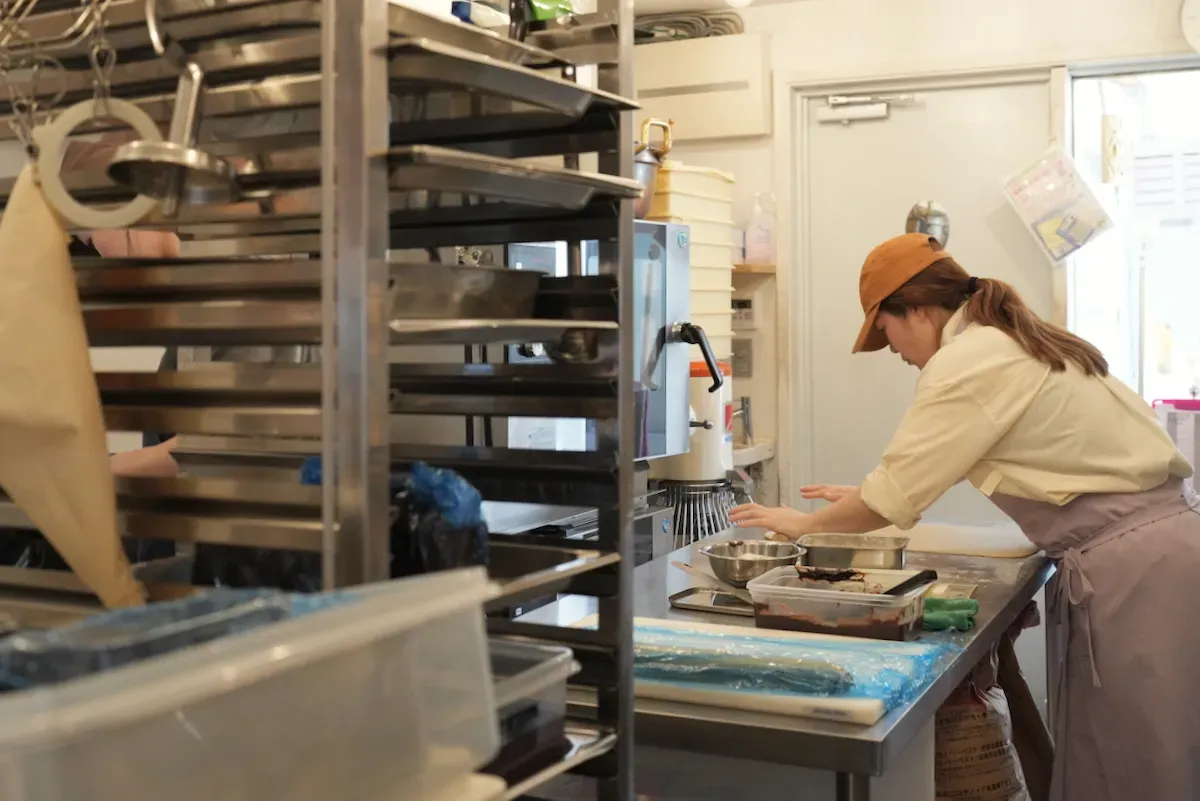
"Since joining the company, everything has been a new learning experience, from the environment to producers. Even on my days off, some of us voluntarily visit producers. We hear directly about the background and dedication behind the creation of our ingredients, and we've learned that climate change may be influencing everything. The more I learn, the more I feel I have to do something. I want to reduce food waste, and because these are precious ingredients, I want to deliver them in the most delicious way possible. My way of thinking and my way of life have changed dramatically."
He later became independent and was involved in the launch of Hugh Morgan, a specialty vanilla brand, as its head pastry chef.
"I had the experience of building a brand from scratch, and I was involved in things like the store's location and kitchen design. I also found it interesting that vanilla tastes different depending on the region and variety. Around that time, I got to know the people at Monosus through a friend, and I became interested when I learned that the Food Hub Project also handles wholesale of local ingredients."
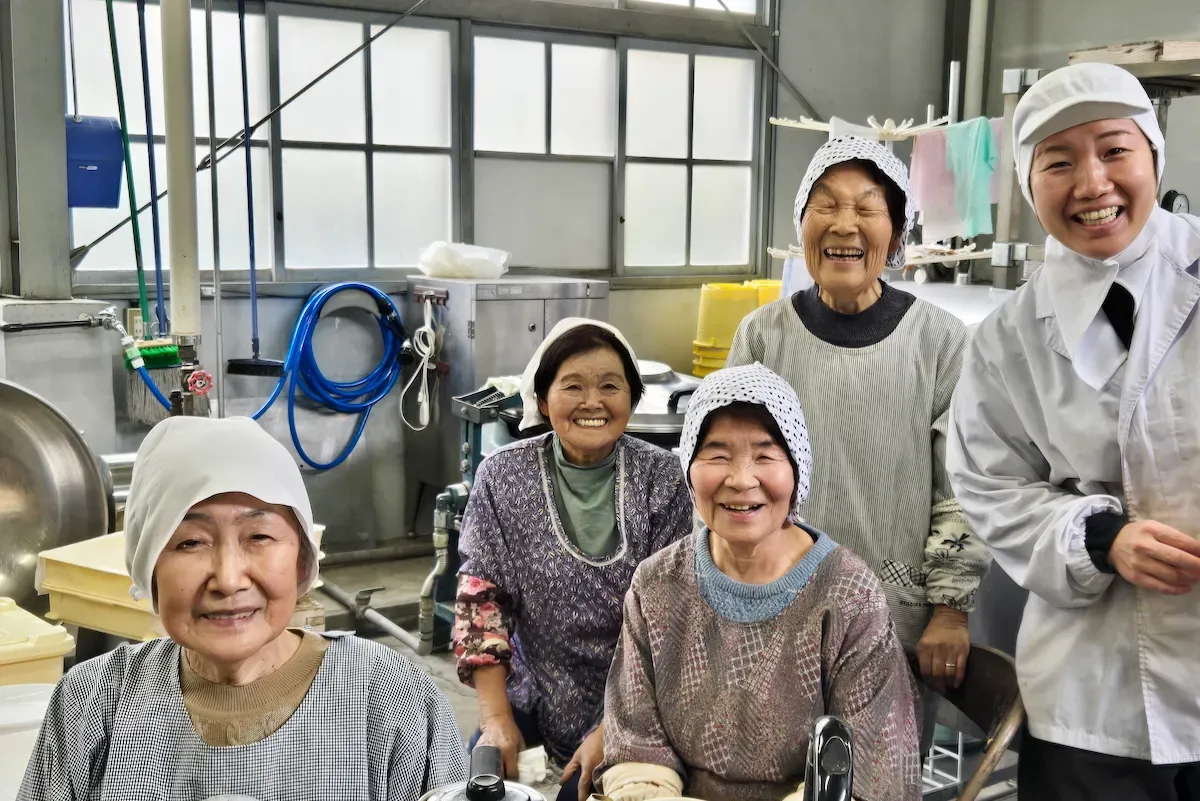
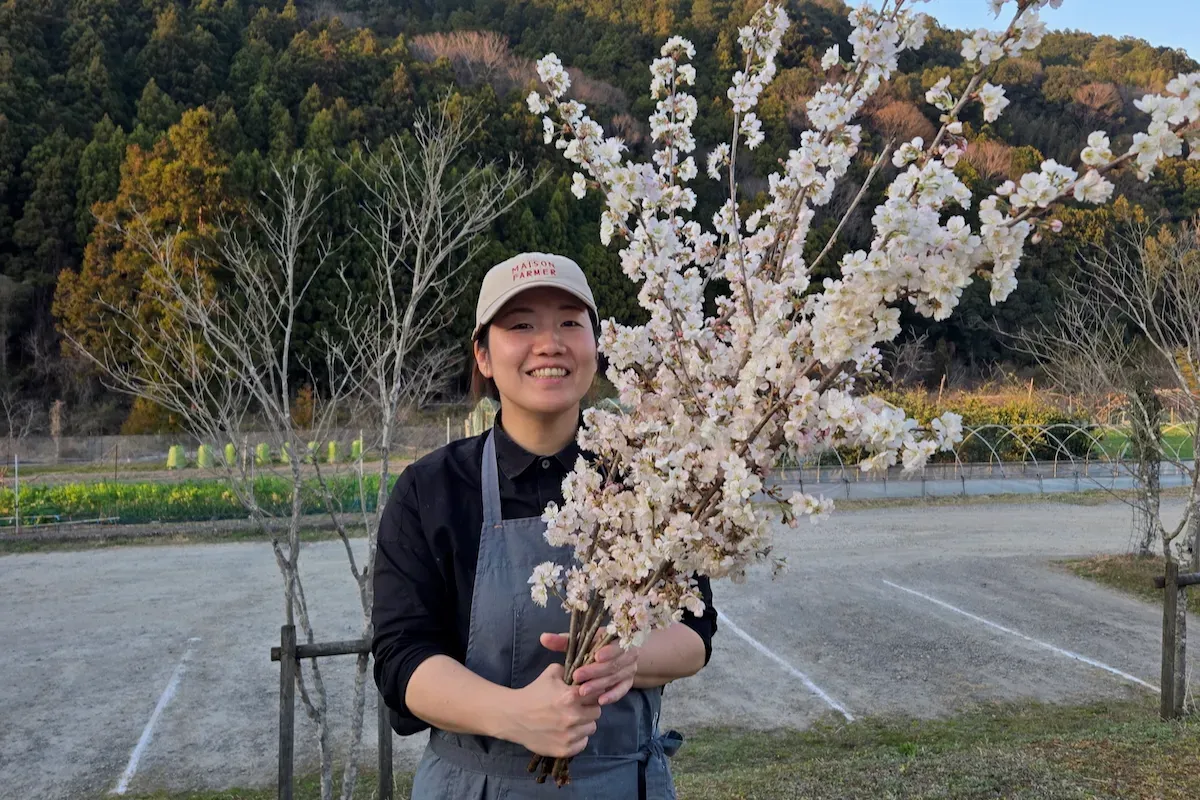
My experience at L'Effervescence had helped clarify my future direction: connecting with producers, understanding their passion, and delivering their products to customers through craftsmanship; and doing work that gives back to the local community. That's why the Food Hub Project came to mind when I left Humorgan.
"I read an interview with Mr. Manabe right around the time he became president, and I felt that our goals were similar. Above all, I admire his initiative to create a circular economy for agriculture and food within the local community. I was also drawn to the fact that he has managed to make it a viable business for over 10 years, even though it is said that regional revitalization is difficult to sustain."
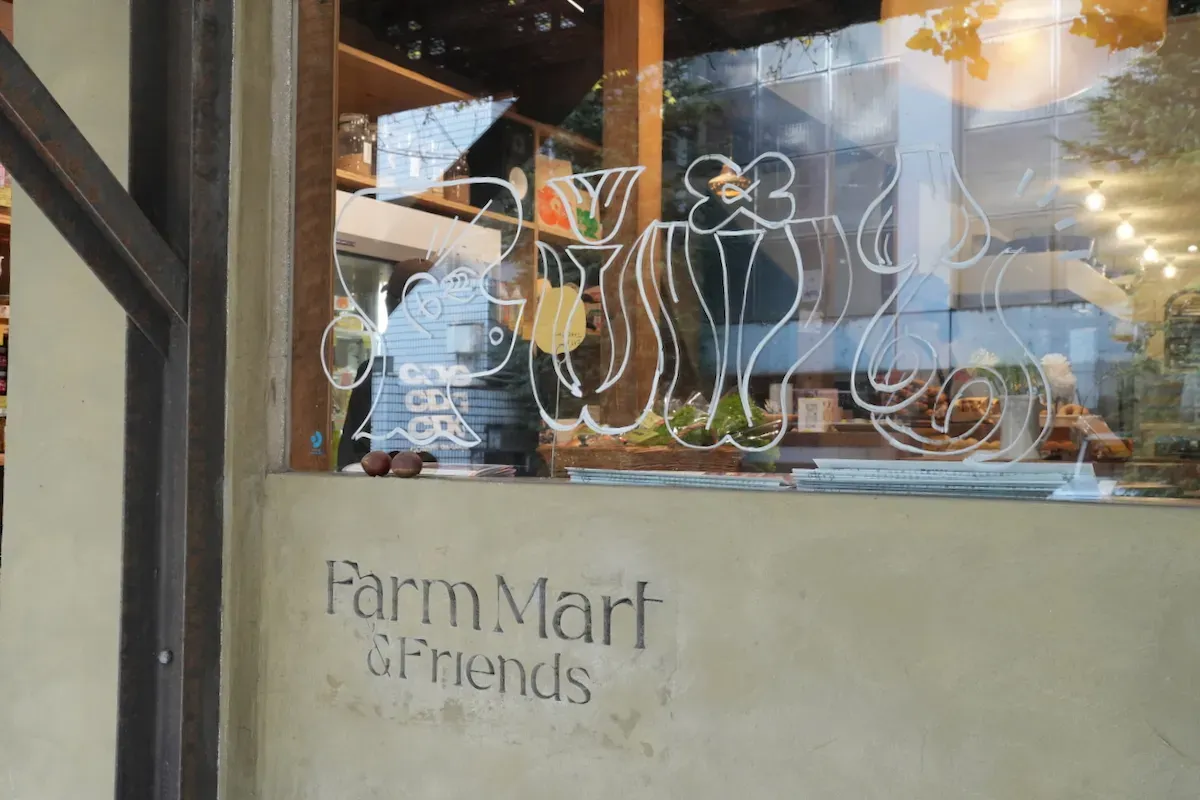
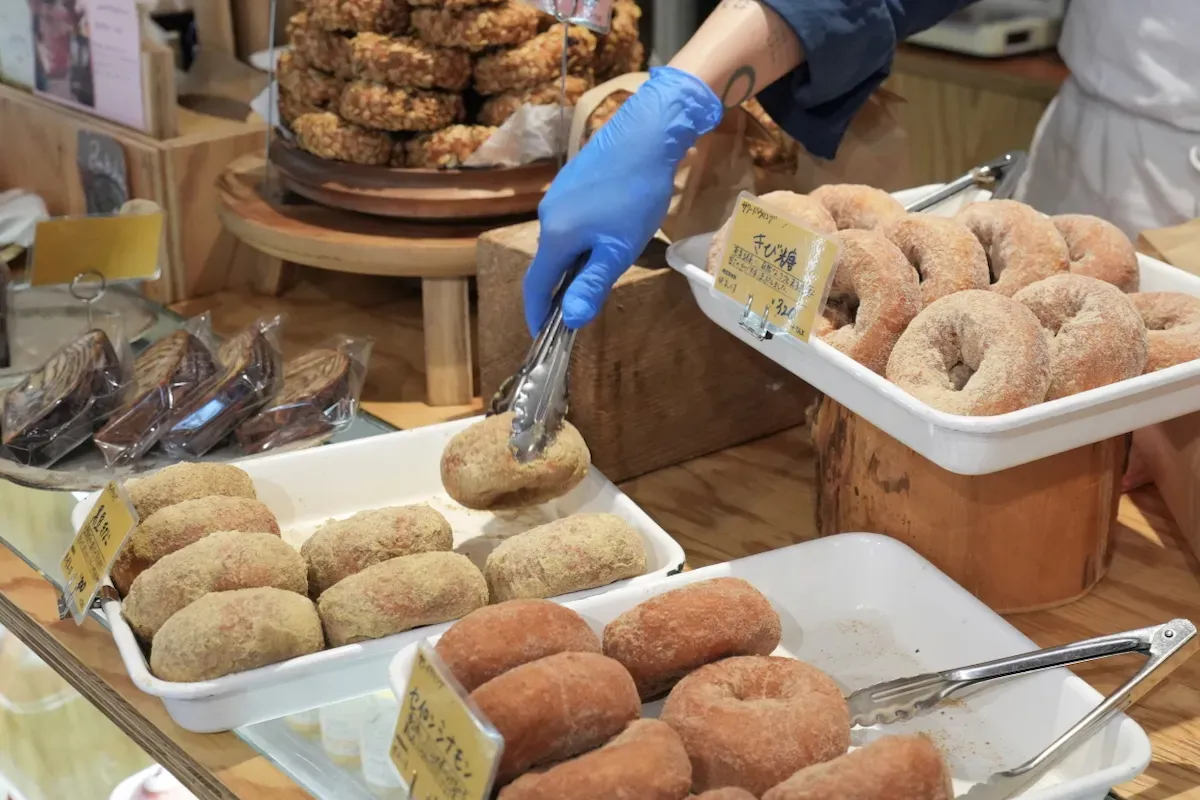
A year has passed in the blink of an eye since she joined the company, and now she spends her days preparing babka and donuts from early in the morning. It's not easy to maintain a consistent taste and a certain level of quality while working with sourdough, whose condition changes day by day. Nevertheless, she says she finds fulfillment in being able to put the skills she has honed so far into the combination of jams for the donuts and ingredients for the sweets, and in working with ingredients every day.
"Working for a company based in Tokushima is a big draw because it allows me to be involved with my local community. I was also happy to be able to develop a pound cake called 'Sudachi Breeze' using sudachi citrus from Tokushima. And since FarmMart & Friends is located in Tokyo, I'm looking forward to being able to handle ingredients from dedicated producers and small artisans all over Japan, not just from Kamiyama."
Going forward, she plans to work on creating new sweets that make the most of these ingredients. What makes Ms. Sagawa's sweets so flavorful is that they convey the story behind them. I look forward to encountering more sweets that bring smiles to the faces of both the producers of the ingredients and those who eat them.
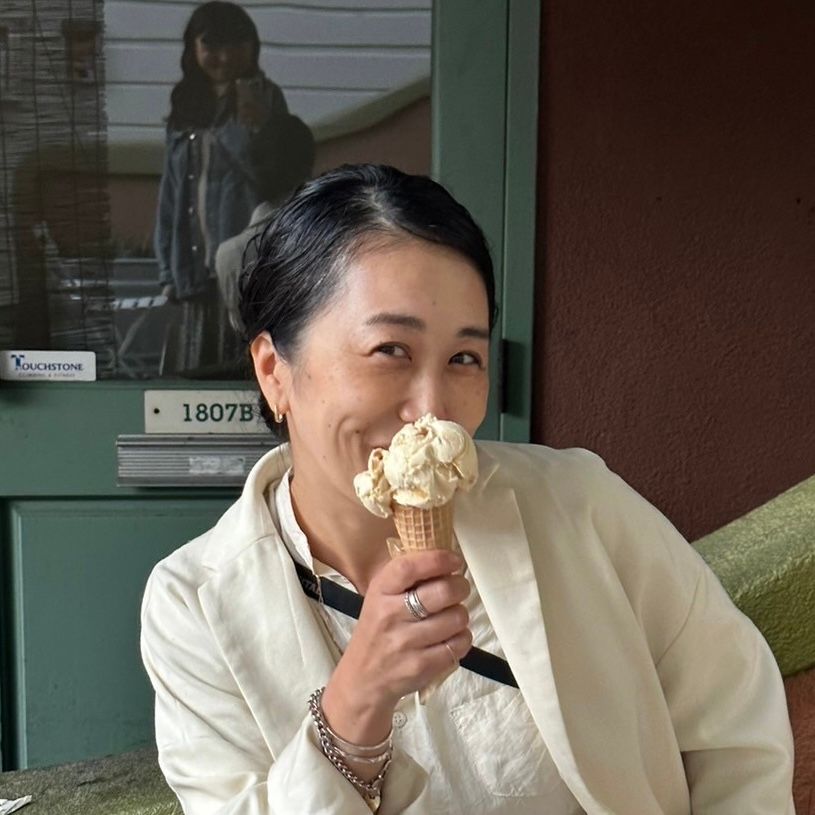
Fujii Shiori
After working for a publishing company, she has been working as a freelance editor/writer since 2010. She mainly edits and writes for magazines, books, websites, and corporate promotional materials, and also handles corporate branding and product direction. Her works include numerous books such as "LIKE LIKE KITCHEN's Traveling Flavors" by Kiyomi Kobori, "Beijing Flour Dishes Made with 100g" by Wu Wen, and "TODAY'S MAKE UP: What's Today's Makeup?" by Taeko Kusaba.